What Are Skin Formulations? Explained by Dr. Rajpreet Kaur (PhD in Chemistry)
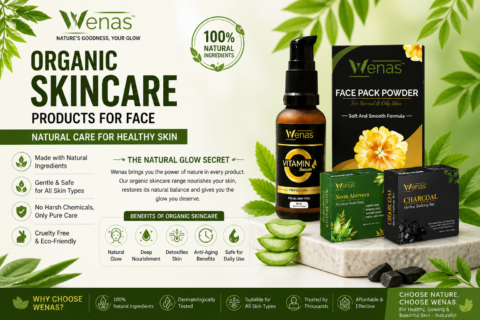
In the modern skincare industry, terms like hyaluronic acid, niacinamide, vitamin C, and herbal extracts are everywhere. But have you ever wondered what these ingredients actually mean for your skin?
In an insightful conversation, Dr. Rajpreet Kaur, a PhD in Chemistry and skincare expert, explains the real science behind skincare formulations and how they impact your skin’s health.
Understanding Skin Formulations in Skincare
According to Dr. Rajpreet Kaur, all skincare products — whether labeled as Ayurvedic, herbal, or clinical — are fundamentally based on chemistry.
Ingredients commonly found in skincare products include:
- Hyaluronic Acid for hydration
- Niacinamide for brightening and oil control
- Vitamin C for glowing skin
- Menthol for cooling effect
- Natural extracts like Neem and Tulsi
Even natural or herbal ingredients are made up of chemical compounds. This means there is no such thing as “chemical-free skincare” — everything you apply to your skin is part of a chemical formulation.
The Science Behind Skincare Products
Dr. Rajpreet Kaur emphasizes that skincare is not just about ingredients — it’s about how those ingredients are formulated.
Key factors that define a good skincare product:
- Correct ingredient combinations
- Scientifically tested formulations
- Safe and effective concentration levels
- Skin compatibility
Two products may have the same ingredients but perform very differently depending on their formulation.
The Science Behind Skincare Products
Dr. Rajpreet Kaur emphasizes that skincare is not just about ingredients — it’s about how those ingredients are formulated.
Key factors that define a good skincare product:
- Correct ingredient combinations
- Scientifically tested formulations
- Safe and effective concentration levels
- Skin compatibility
Two products may have the same ingredients but perform very differently depending on their formulation.
As explained by Dr. Rajpreet Kaur:
- The effectiveness of skincare depends on the right concentration
- Low percentage may not give visible results
- High percentage may cause irritation or damage
- Balanced formulation ensures safety and performance
For example, Vitamin C works best within a specific concentration range. Too little won’t brighten your skin, and too much can lead to sensitivity.
How to Choose the Right Skincare Products
Instead of falling for marketing terms like 100% natural or chemical-free, focus on these factors:
- ✔️ Check ingredient list transparency
- ✔️ Look for clinically backed formulations
- ✔️ Understand active ingredient percentages
- ✔️ Choose trusted experts and brands
Dr. Rajpreet Kaur highlights that the quality of a skincare brand depends on its formulation expertise, not just its claims.
Common Skincare Myth: Natural vs Chemical
A major misconception in the beauty industry is the difference between natural and chemical products.
The truth:
- All skincare products contain chemicals
- Herbal ingredients are also chemical compounds
- Safety depends on formulation, not labeling
Understanding this helps you make smarter and more informed skincare choices.
Conclusion
Skincare is a blend of science, chemistry, and precision. As explained by Dr. Rajpreet Kaur, the real effectiveness of any product lies in its formulation and ingredient percentage, not just in the ingredients themselves.
By focusing on scientifically formulated products, you can achieve better results and maintain healthy, glowing skin.